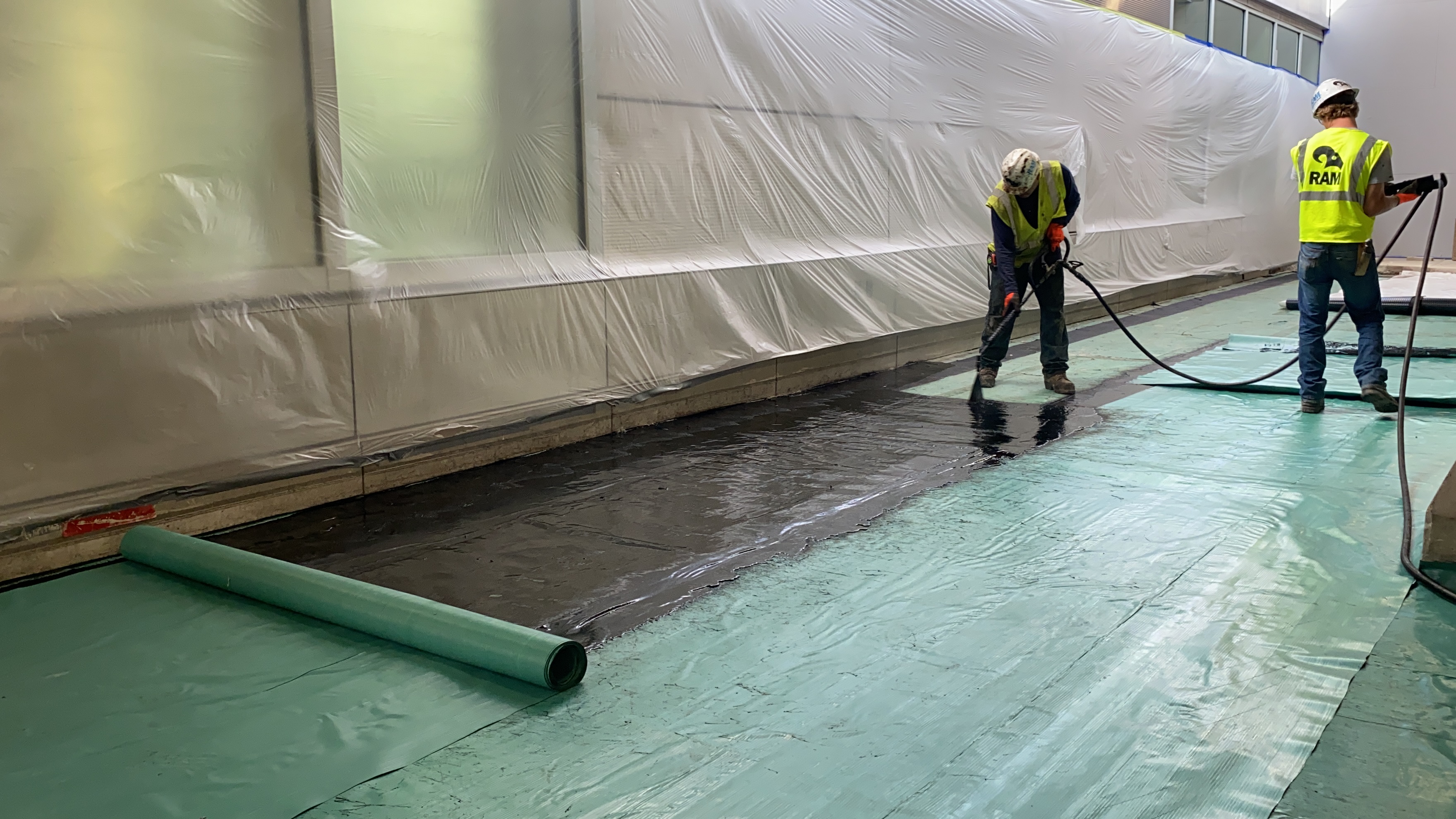
How Waterproofing Functions: An In-depth Check Out Techniques and Technologies
Waterproofing is essential for securing structures from moisture-related damage. It entails different strategies and innovations that develop obstacles versus water invasion. Conventional methods, such as compacted clay, coexist with modern-day developments like liquid-applied membranes. Recognizing the nuances of these approaches is crucial for effective application. The effectiveness of any kind of waterproofing option copyrights not just on the techniques made use of however additionally on recurring maintenance and evaluation. What are the key factors that affect lasting efficiency?
Understanding the Fundamentals of Waterproofing
Waterproofing is an essential procedure that safeguards structures from water intrusion, which can lead to significant damage in time. This method entails the application of numerous products and methods made to create a barrier against wetness. The main goal is to stop water from penetrating surface areas, which can trigger wear and tear, mold development, and architectural instability.Various aspects affect the selection of waterproofing technique, consisting of the sort of framework, its area, and environmental problems. Recognizing the physics of water motion and the buildings of different products is vital in choosing an effective waterproofing solution.Effective waterproofing not only safeguards structures yet also improves their durability and honesty. Generally, it is integrated into the style stage of building and construction to assure complete security. As understanding of water-related problems grows, the significance of comprehending waterproofing principles becomes progressively clear to architects, builders, and homeowner alike.
Conventional Waterproofing Techniques
Typical waterproofing approaches have been utilized for centuries, counting on tried and true strategies and materials to safeguard structures from water damage. One of the oldest approaches includes the usage of clay, which, when compressed, creates an all-natural barrier versus moisture. In addition, bitumen, a sticky, black material derived from oil, has actually been utilized for its water-resistant homes, commonly used to roofings and foundations.Another technique entails the application of lime-based plasters, which provide a breathable layer that permits wetness to run away while stopping water ingress. Thatch roof covering, a conventional technique still seen in some societies, provides superb waterproofing as a result of its securely packed straw layers.Moreover, making use of rock and block has actually been famous, as these materials are naturally resistant to water when appropriately installed. In general, conventional waterproofing techniques stress the significance of selecting ideal products and building and construction methods to improve durability versus water breach.
Modern Waterproofing Technologies
Developments in modern-day waterproofing innovations have reinvented the means structures are safeguarded from water damages. Ingenious approaches such as liquid-applied membrane layers and innovative sealers have improved the effectiveness and convenience of waterproofing remedies. These modern technologies permit seamless application, reducing the threat of leaks and making sure detailed insurance coverage over intricate surfaces.Moreover, the integration of clever technologies, such as dampness sensors and automated monitoring systems, makes it possible for real-time analysis of waterproofing performance. This proactive technique promotes prompt upkeep and lowers long-lasting repair work costs.Additionally, advancements in spray-applied coverings offer quick application and superb attachment, adapting to numerous substrates while providing robust security. Strategies like polymer-modified systems further improve flexibility and toughness, making them suitable for diverse settings. Overall, modern-day waterproofing technologies not only mitigate water invasion however additionally add to the longevity and sustainability of frameworks, noting a significant change in the sector.
Materials Made Use Of in Waterproofing
The effectiveness of waterproofing solutions greatly counts on the products used in their application. Different products are utilized to develop obstacles versus water ingress, each with one-of-a-kind residential properties fit for different atmospheres. Frequently utilized products consist of membranes, layers, and sealants.Liquid-applied membrane layers, commonly made from polyurethane or acrylic, form a smooth barrier that adjusts to complicated surfaces. Sheet membranes, normally constructed from rubber or thermoplastic, deal resilience and are suitable for bigger areas. In addition, cementitious waterproofing materials, made up of cementitious substances, offer exceptional attachment and flexibility.Sealants made from silicone or polyurethane are vital for joints and seams, making certain thorough protection. Innovative products, such as geo-composite membrane layers, integrate multiple functions, boosting efficiency. Generally, the option of waterproofing materials is crucial in accomplishing resilient and efficient water resistance, customized to specific task requirements and environmental conditions.
Common Applications of Waterproofing
Waterproofing plays a crucial function in various fields, ensuring the long life and stability of frameworks. Usual applications include household remedies that secure homes, business framework that safeguards organizations, and industrial settings that need robust defense versus wetness. Understanding these applications highlights the significance of waterproofing in keeping both security and functionality across various environments.
Residential Waterproofing Solutions
Many home owners deal with challenges with dampness invasion, making efficient domestic waterproofing solutions crucial. Different methods exist to resolve this problem, including exterior and interior waterproofing systems. Interior solutions typically include the application of sealants and finishings to cellar walls, which aid prevent water infiltration. Outside methods usually consist of the installment of drain systems and water-proof membranes that divert water away from the foundation.Additionally, home owners might take into consideration sump pumps to remove water build-up and dehumidifiers to manage humidity degrees. Proper grading and making use of seamless gutters also play a vital role in handling water circulation around the home. By implementing these techniques, house owners can considerably decrease the threat of water damage and mold and mildew growth, making certain a completely dry and secure living setting.

Industrial Facilities Protection
Efficient waterproofing solutions play a crucial role in the security of commercial facilities. Water Solutions. These techniques are crucial for securing buildings, auto parking frameworks, and bridges from water damage, which can jeopardize architectural integrity and cause pricey fixings. Common applications include the installation of membrane layers, coatings, and sealers that develop barriers against wetness seepage. Locations such as cellars, roofs, and exterior wall surfaces are commonly focused on to ensure longevity and sturdiness. Additionally, waterproofing systems can boost energy efficiency by preventing water-related issues that might bring about mold and mildew growth and damage. By applying durable waterproofing procedures, residential or commercial property proprietors can secure their financial investments and maintain operational effectiveness, ultimately adding to the overall sustainability of commercial centers
Industrial Applications Overview
While various industries deal with special obstacles, the demand for dependable waterproofing remedies remains a constant in industrial applications. Industries such as production, construction, and power often experience atmospheres where moisture direct exposure can endanger architectural integrity and operational performance. In making facilities, waterproofing is vital Yard drainage Omaha for shielding equipment and materials from water damages. In building and construction, it safeguards structures and basements against groundwater seepage. The power sector counts on waterproofing for the defense of devices in hydroelectric plants and offshore frameworks. Additionally, food processing industries use waterproofing to assure health and compliance with safety criteria. On the whole, efficient waterproofing remedies are necessary for improving sturdiness, safety and security, and performance throughout numerous commercial setups.
Maintenance and Durability of Waterproofing Solutions
Although waterproofing options are created to offer lasting defense versus moisture invasion, regular upkeep is crucial to assure their effectiveness and longevity - French drain installation Omaha. Routine examinations play a significant role in identifying prospective issues such as cracks, peeling, or indicators of water damage. Dealing with these problems immediately can prevent more deterioration and expensive repairs.Additionally, cleaning up the surface area of waterproofed locations assists eliminate dust and particles that could jeopardize the integrity of the waterproofing obstacle. It's also a good idea to reapply protective finishes or sealers as advised by manufacturers to maintain ideal performance. Ecological variables, such as UV exposure and severe weather conditions, can affect the life expectancy of waterproofing products, making routine analysis crucial
Frequently Asked Inquiries
Can Waterproofing Be Applied in Cold Weather?
The concern of applying waterproofing in winter raises problems regarding adhesion and treating. Numerous items might not execute at their best in reduced temperature levels, demanding cautious option and factor to consider of specific guidelines for reliable application.
How Much Time Does Waterproofing Typically Last?
The duration of waterproofing efficiency varies based upon materials and environmental factors. Usually, it can last from 5 to ten years, however routine upkeep and inspections are necessary to ensure peak performance and long life.
Is DIY Waterproofing Effective and Safe?
The effectiveness and safety and security of DIY waterproofing depend upon various elements, including material high quality and application technique. While some individuals achieve adequate outcomes, others might experience issues that compromise lasting security and architectural integrity.
What Are the Indications of Failing Waterproofing?
Indications of falling short waterproofing include visible water discolorations, peeling paint, mold growth, moldy smells, and wetness in wall surfaces or ceilings - Drainage & waterproofing company Omaha. These indications recommend compromised barriers, demanding timely assessment and possible removal to avoid additional damage
Just how Do I Pick the Right Waterproofing Contractor?